


The electric scooter regulations in Spain have evolved significantly in recent years and are now clearly defined by current legislation. Between general regulations, municipal ordinances and possible future changes, it is common to have doubts about what is allowed and what is not.
If you use an electric scooter or are thinking about buying one, understanding the current riding regulations is essential to avoid fines and ride safely.
In 2026, electric scooters continue to be subject to specific regulations governing riding rules, speed limits and rider behaviour.
What do the current electric scooter regulations in Spain say?
The regulations in Spain are governed by the Directorate-General for Traffic (DGT), which establishes the rules for Personal Mobility Vehicles (PMVs).
These rules affect where you can ride, the permitted speed, mandatory equipment and behaviour on public roads.

Source: Directorate-General for Traffic (DGT)
Where can you ride an electric scooter?
The regulations clearly define the areas where riding is permitted. These rules apply throughout Spain, although they may vary slightly depending on the city.
- Riding on bike lanes whenever available
- Riding on urban roads
- Streets with speed limits (generally 30 or 50 km/h)
In practice, most journeys are made on bike lanes and urban streets.
Where is riding prohibited?
There are also areas where riding is prohibited for safety reasons.
- Pavements and pedestrian areas
- Interurban roads
- Motorways and dual carriageways
Failing to comply with these rules is one of the most common and heavily fined offences.
Essential rules you must follow
To ride legally on an electric scooter, you must comply with these basic rules:
- Maximum speed: 25 km/h
- Carrying passengers is prohibited
- Using a mobile phone is prohibited
- Using headphones is prohibited
- Do not ride under the influence of alcohol
Fines and penalties for electric scooters
Not complying with the regulations can lead to significant financial penalties, especially in major cities where enforcement is stricter.
In cities such as Barcelona, fines of up to €500 are already being imposed for violating local regulations.

- Up to €200 for using a mobile phone or headphones
- Fines for riding on pavements
- Penalties for speeding
- Fines for riding under the influence of alcohol
- Penalties for carrying passengers
In some cases, the offence may result in the scooter being impounded.
Respecting the regulations is essential for your safety and the safety of others.
Electric scooter law in Spain in 2026
The current regulations are based on the DGT rules for PMVs. In 2026, there is no completely new law, but there is a stronger enforcement of existing regulations.
- Increased monitoring in cities
- Stricter penalties
- Ongoing debate about mandatory insurance
If you want more information, you can check the new mobility law.
Is insurance mandatory for electric scooters in Spain in 2026?
Currently, in Spain, insurance is not mandatory in all cases, although it is expected that this may change in the future.
Having third-party liability insurance is a simple way to protect yourself against damage to third parties and avoid high costs in the event of an accident.
Getting ahead of possible legal changes is a good way to ride with peace of mind.
Having suitable insurance is a simple way to ride more confidently and avoid significant costs in the event of an accident.
Regulations in Spanish cities
Although there is a national regulation, some cities apply specific local rules.

Madrid
- Riding allowed on bike lanes and roads
- Prohibited on pavements
- Maximum speed of 25 km/h
Barcelona
- Higher fines
- Restrictions in urban areas
- Stricter enforcement
Valencia
- Use allowed on bike lanes
- Prohibited on pavements
Seville
- Extensive bike lane network
- Restrictions in pedestrian areas
What happens if you do not comply with the regulations?
Failure to comply can have serious consequences:
- Financial penalties
- Scooter impoundment
- Liability in accidents
Without insurance, the costs can be significant.
Explanatory video about the regulations
This video summarises the main riding rules:
Frequently asked questions about electric scooters in Spain
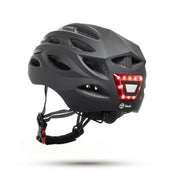
Is wearing a helmet mandatory?
It depends on the city. In general, helmets are not mandatory throughout Spain, although they are highly recommended to reduce the risk of injury in the event of an accident. Some municipal regulations may require them in certain situations.
Can you ride on the pavement?
No. Riding on pavements and pedestrian areas is prohibited throughout Spain unless specific signage explicitly allows it. This is one of the most common offences.
Is insurance mandatory?
Insurance is not mandatory in all cases in Spain, although it may become compulsory in the future. Having third-party liability insurance is recommended to cover possible damage to third parties and avoid significant costs in the event of an accident.
Can two people ride on one scooter?
No. Carrying passengers on electric scooters is prohibited, as they are designed for a single rider. Riding with more than one person may result in fines.
What is the maximum speed?
The maximum permitted speed for electric scooters in Spain is 25 km/h. Exceeding this limit may result in penalties, especially if the vehicle has been modified.


2 comments
Pergunto se a trotineta eletrica segway zt3 com 29 k e motor de 1600w precisa se seguro e também a trotineta urban glide e-cross one com 800w e 22k também, já agora pergunto se o passeio pedonal rente ao rio tejo que vai da Póvoa de santa iria até ao parque das nações é permitido andar de trotineta.
Cá na Ilha da Madeira essa lei não se aplica? Gostava de saber SFF